

Need somewhere to stay as soon as possible? Emergency housing, sometimes referred to as Temporary Accommodation, provides safe, short-term shelter for people experiencing homelessness or an immediate crisis.
You may qualify if you’re escaping domestic violence, sleeping rough, facing eviction, dealing with the aftermath of a natural disaster, or otherwise at risk of homelessness.
In this guide, we explain who is eligible for emergency accommodation in Australia and how priority is assessed so you can explore suitable options today.
Key takeaways
- Emergency accommodation eligibility is assessed on individual circumstances, including the urgency of your housing need, the level of risk you face and whether you have other suitable accommodation options.
- People facing greater vulnerability may receive priority, including those escaping domestic and family violence, First Nations Australians, older people, families with children and people with complex health or disability needs.
- Access usually starts with an assessment through a homelessness, housing support or crisis support service, followed by a referral where suitable accommodation is available.
- Emergency accommodation options and contact services vary by state and territory, with dedicated homelessness helplines and referral services operating across Australia.
- Support can extend beyond a temporary place to stay, helping people address immediate challenges and work towards more secure, longer-term housing.
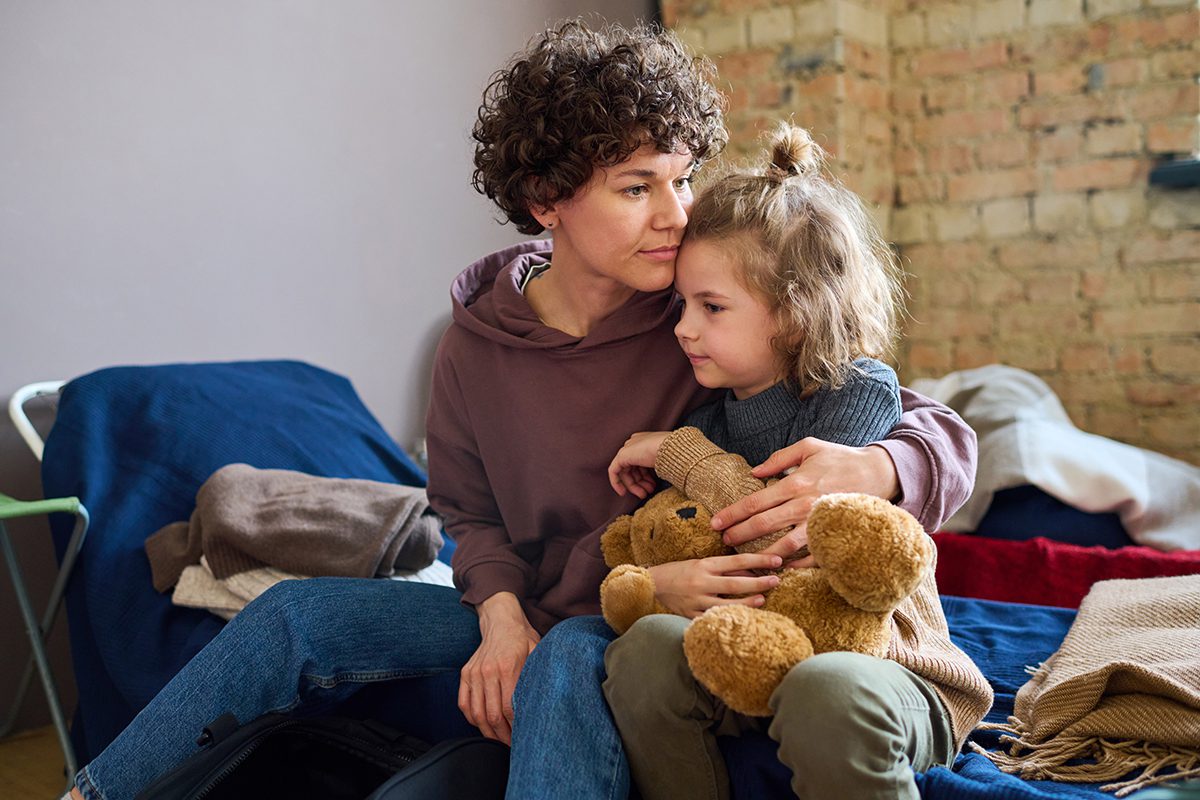
Can I get emergency accommodation?
Yes. Emergency accommodation is generally available if you urgently need somewhere safe to stay because of a crisis.
This can include situations where you are:
- Escaping domestic or family violence
- Homeless or at risk of homelessness with children in your care
- Unable to remain in your current home due to safety concerns
- Displaced by a bushfire, flood, storm or other natural disaster.
Access is usually based on the urgency of your circumstances, the level of risk involved and the availability of local accommodation options. Services may also consider whether you have anywhere else suitable to stay.
Some groups may be given greater priority because they face a higher risk of harm, homelessness or vulnerability:
Aboriginal and Torres Strait Islander peoples
First Nations Australians are significantly over-represented among people seeking homelessness support. In 2024–25, around 82,900 Aboriginal and Torres Strait Islander people accessed Specialist Homelessness Services, accounting for 29% of all clients whose Indigenous status was known.¹
When assessing emergency accommodation needs, services may give greater priority where factors such as family or domestic violence, overcrowding, unsuitable housing or other risks make the situation more urgent.
Where possible, services may also consider the need for culturally appropriate support and connections to family, community and Country.
Women and children escaping family violence
Women escaping domestic or family violence can have a critical need for emergency accommodation, particularly when remaining at home could expose them or their children to further harm.
This is one of the most common reasons Australians seek homelessness assistance. In 2024–25, Specialist Homelessness Services supported around 117,000 people who had experienced family and domestic violence, representing 40% of all clients. Around 46,800 were already experiencing homelessness when they first sought assistance.¹
Depending on the circumstances, emergency assistance may include crisis accommodation, a domestic violence refuge or another temporary housing option.
Services will generally assess immediate risks, whether children are involved and whether you have another suitable place to stay.
Elderly individuals with no support
Older Australians may have a greater need for emergency accommodation when they lose their housing and have limited income, savings or family support to fall back on.
Housing insecurity later in life can follow events such as eviction, relationship breakdown, the death of a partner, job loss or a health crisis. These circumstances can make it particularly difficult to secure another home at short notice.
In 2024–25, around 31,700 people aged 55 and over received support from Specialist Homelessness Services, including approximately 12,200 who were already experiencing homelessness when they first sought help.¹
If your health, mobility, finances or living circumstances increase your vulnerability, you may have a more urgent need for Temporary Accommodation and additional support.
People with complex needs
A health condition or disability can increase the urgency of a housing crisis, particularly if homelessness would make it harder to manage daily activities, access treatment or find suitable alternative accommodation.
In 2024–25, Specialist Homelessness Services assisted around 88,800 clients with a current mental health issue, representing 31% of all clients.¹
Services also supported around 9,100 people with disability, including approximately 4,270 who were already experiencing homelessness when they first sought assistance.¹
When assessing Temporary Accommodation needs, providers may consider how your health or disability affects your vulnerability, whether your current living situation places you at greater risk and whether the housing available can meet your needs.

How to get emergency housing
If you’re in a housing crisis and need somewhere to stay at short notice, support is available. That said, the process of seeking immediate help can feel confusing at first.
Following these steps can help you find Temporary Accommodation and the right support services as quickly as possible.
1. Contact a support service
Start by contacting your state or territory housing service, a Specialist Homelessness Service or a local crisis accommodation provider like Home in Place.
We can assess your situation and explain what emergency housing or other assistance may be available.
2. Complete an eligibility check
A support worker will ask about your circumstances to determine how urgently you need accommodation and what type of support is appropriate.
This may include whether you are currently homeless, at risk of losing your home, escaping violence, caring for children or facing other circumstances that increase your vulnerability.
Sharing accurate information about your situation can help the service understand your needs and identify the most appropriate accommodation and support options.
3. Get a referral for accommodation
If emergency housing is appropriate, the service may refer you to an available option such as crisis accommodation, a refuge, or temporary lodging.
A referral doesn’t always mean accommodation will be immediately available. Placement depends on your circumstances, eligibility and vacancies within your local area. If one service can’t meet your needs, you may be referred to another provider.
More ways to access crisis accommodation near you
Temporary Accommodation is managed differently across Australia, so the best place to start depends on where you live.
As well as contacting Home in Place directly for housing in NSW, Queensland and Victoria, you can use the services below to assess your circumstances and determine what assistance you may be eligible for.
NSW
If you are homeless, at risk of homelessness or need accommodation urgently in NSW, contact Link2home on 1800 152 152.
The statewide service operates 24 hours a day, seven days a week and can connect you with local homelessness services and available accommodation.
You can also:
- Contact the NSW Domestic Violence Line on 1800 656 463 if you are experiencing domestic or family violence
- Call Link2Home Veterans and Ex-Service on 1800 326 989
- Call the Child Protection Helpline on 13 21 11 if you are concerned about a child
- Contact your nearest Housing Office or search for a Specialist Homeless Service in your area.
Queensland
For emergency accommodation in Queensland, call the Homeless Hotline on 1800 474 753. Available 24 hours a day, seven days a week, the service can refer you to nearby crisis accommodation, shelters and other essential support.
You can also contact your nearest Housing Service Centre for help with emergency accommodation, rental assistance and other housing options.
If you are experiencing domestic or family violence, contact DV Connect:
- Women’s line: 1800 811 811 (24 hours a day, seven days a week)
- Men’s line: 1800 600 636 (9 am to midnight, seven days a week)
Victoria
If you are homeless or at risk of homelessness in Victoria, call the statewide homelessness line on 1800 825 955. This free 24-hour service can connect you with a housing and support service near you, including assistance with crisis or emergency accommodation.
If you are escaping family violence, call Safe Steps Family Violence Response Centre on 1800 015 188. Safe Steps operates 24 hours a day and can provide crisis support, risk assessment and access to accommodation where appropriate.
South Australia
In South Australia, Homeless Connect SA on 1800 003 308 is the main point of contact for people experiencing or at risk of homelessness. Available 24 hours a day, seven days a week, this service can assess your circumstances and refer you to appropriate homelessness and accommodation services.
For domestic or family violence support, contact the Domestic Violence Crisis Line on 1300 782 200 or 1800 800 098, available 24/7.
During periods of extreme or severe weather, the South Australian Government may also activate additional support for people sleeping rough, including extended outreach and temporary shelter options.
Western Australia
If you are homeless or at risk of homelessness in WA, contact Entrypoint Perth on 1800 124 684. It provides free assessment and referrals to accommodation and homelessness support services.
For urgent or after-hours assistance, Crisis Care on 1800 199 008 provides 24/7 support and referrals to people experiencing homelessness, domestic violence or other emergencies.
Tasmania
In Tasmania, Housing Connect is the main entry point for housing assistance and can help if you need emergency accommodation or are experiencing a broader housing crisis.
You can contact Housing Connect on 1800 800 588, 24 hours a day, seven days a week. Depending on your circumstances, they can assist with finding a bed for the night, referrals to shelters, supported accommodation, family violence assistance, private rental support and longer-term housing options.
Northern Territory
If you are facing homelessness in the Northern Territory (NT), contact the Homelessness Central Intake Service on 1800 920 333. This service connects Territorians with crisis accommodation, short- and medium-term housing and other relevant support.
You can also use ShelterMe, an online directory covering crisis, transitional, short-term, supported and low-cost accommodation services throughout the NT.
If you need shelter because of a cyclone, flood or another emergency event, check Secure NT for current emergency shelter information.
The ACT
For emergency or crisis accommodation in the ACT, contact FIRST Canberra on 1800 176 468. This service helps people experiencing or at risk of homelessness understand their housing options and connect with appropriate accommodation and support providers.
If you are experiencing domestic or family violence, contact the Domestic Violence Crisis Service on (02) 6280 0900, available 24 hours a day.
Find emergency accommodation and support with Home In Place
Emergency housing provides a safe place to stay when you need it most. At Home in Place, we can help you access Temporary Accommodation and specialist support services across New South Wales, Queensland and Victoria.
Once you have somewhere to stay, our team can work with you to identify the challenges affecting your housing situation and explore practical pathways towards a more stable, long-term home.
Contact our team today for more information.
References
- AIHW (Australian Institute of Health and Welfare) (2025) Specialist homelessness services annual report 2024–25, AIHW, Australian Government, accessed 28 August 2026.


