
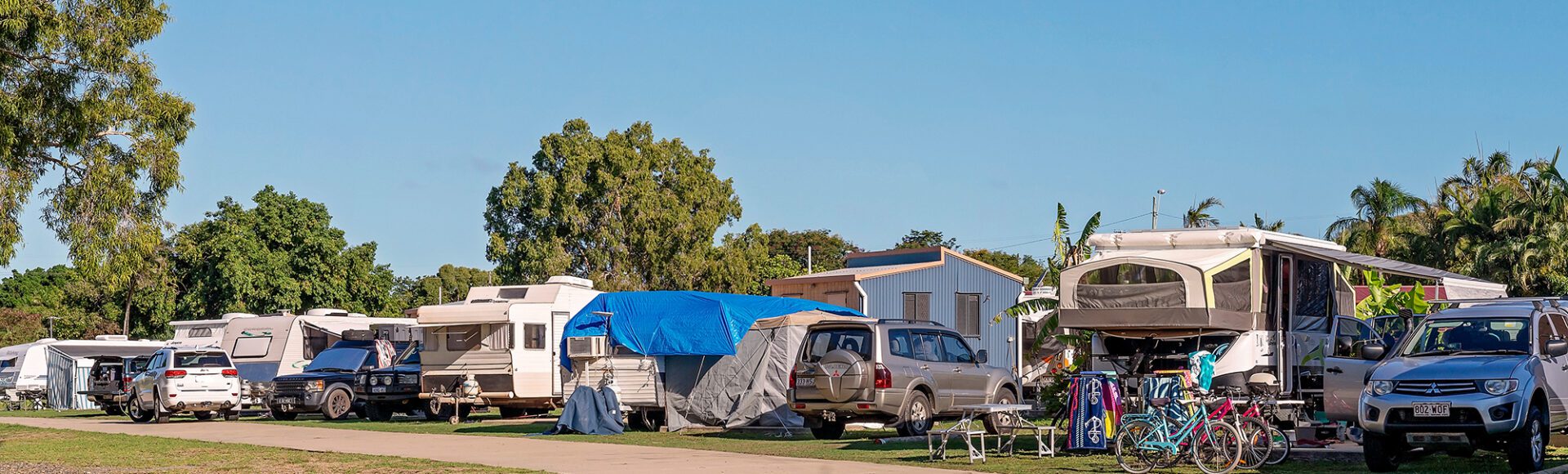
A recent article by The Age property reporter Caroline Zielinski highlighted the story of 64 year old renter Carmel Bell and the growing housing insecurity facing older Australians. After illness and setbacks dismantled what had once been a secure life, Carmel is now considering a future in a caravan park.
Her experience reveals the disturbing precarity faced by older Australians approaching retirement without housing security.
What we assume in this country is that by the time people reach retirement, they will own their home and have very few housing costs. The Age Pension assumes it, the superannuation system assumes it, and much of our housing policy relies on it.
That assumption is failing hundreds of thousands of Australians.
There is now a substantial group of Australians moving towards retirement while still renting, and the number is growing. These are people carrying modest savings into a market that offers limited security and steadily rising costs. They are not a niche group. They are not reaping what they have sown. They are people who, for a range of reasons, often owing to illness or bad luck, have ended up on a different path through the housing system than the one we like to pretend is the norm.
Home in Place’s recent research gives a clear sense of the pressures building.
Six in ten renters aged 55 to 69 are already in housing stress. A third say their superannuation would last less than five years if they had to rely on it while renting.
Those figures show up in everyday decisions. People are cutting back on food, on social connection, and on healthcare. They are working out how long their savings will last and what their options are when those savings run out. Unsurprisingly, most of those options are not great.
Over the next decade, around 750,000 Australians will reach retirement age without owning their home. Many will do so with super balances that were never intended to cover both living costs and ongoing rent. The system was not designed for that.
Working for longer might be considered the fallback position here, but that too offers limited certainty. Many older renters are not confident they could find or maintain steady employment if they needed to.
A lot of the current debate about housing is framed around generations. Younger Australians struggling to buy are set against older Australians who are assumed to have accumulated housing wealth. The more meaningful divide now sits between those with secure housing and those without it, and that divide is becoming more visible in later life.
The Federal Budget included some modest support for young people experiencing homelessness and changes to tax settings designed to take some heat out of the market for existing homes. What was missing was any recognition of the threat faced by the growing group of older Australians for whom ownership is out of reach, and the rental market is unaffordable.
The simple reality is that Australia is not building enough social and affordable housing to meet demand, and that shortfall has been building for a long time. Waiting lists run for years, and people move between temporary or insecure arrangements while they wait for something more stable.
For older renters, the situation tightens further. Moving frequently becomes harder and competition for suitable rentals is tougher. Private rentals offer limited tenure and are not set up for people whose needs change as they age.
This nation has managed this problem before. Governments once built homes at scale and maintained a meaningful stock of social housing. That provided a stable base for people on lower and fixed incomes and helped balance the broader market.
The same approach today would be a game changer, easing pressure in the private rental market and providing hope for people approaching retirement without secure housing.
Government building one in ten new homes as social or affordable housing would create a consistent pipeline of safe, secure housing that is, after all, a basic human right.
This is not a radical proposal. Once upon a time it was commonplace. In the 1950s and 60s, 15-20% of all new homes was social housing. Public sector building programs continued at a significant rate until the 90s. Then, for purely ideological reasons, they were wound up. 30 years later people like Carmel Bell are living with the consequences. Her story brings all of this into focus, and reveals how quickly housing security can be lost and how difficult it is to rebuild later in life without support.
Other reforms have a role to play – tax settings can be adjusted and planning systems can be improved. But the largest impact will come from building more homes and doing it consistently over time.
We know what underpins the retirement system. We know where the pressure points are. We now need to start building homes people like Carmel can actually afford to live in.
Martin Kennedy
Group Executive Manager Marketing & Public Affairs , Home in Place


