

Time to end a tenancy? Perhaps you’re relocating to another state, switching to a private rental or transferring within social housing. Alternatively, your landlord might be selling the property or wishing to part ways after a breach of contract.
Whatever the reason for the termination of your lease, it’s important to understand your rights and responsibilities under the tenancy agreement.
In this clear guide, we explain how to end a tenancy in NSW with Home in Place. Learn about our notice periods, the steps to follow, and what to expect when you move out.
Minimum notice periods for lease termination
If you want to end a tenancy, you’ll need to provide a signed Notice of Termination form and move out by the required date. The minimum notice period depends on the type of lease you have and your personal circumstances.
Under the Residential Tenancies Act 2010 (NSW), tenants are typically required to provide:
- 14 days’ termination notice before the end of a fixed-term lease, if ending on or after the fixed end date
- 21 days’ termination notice to end a periodic, or ongoing, tenancy agreement
- 14 days’ termination notice if the landlord has breached the tenancy agreement
That said, there are specific situations where you can end a fixed-term lease with 14 days’ notice and without paying break fees. This includes when you:
- Have accepted an offer of social housing
- Have been approved for entry into an aged care facility
- Were not informed that the property was for sale before signing the lease, and later received notice of sale
- Are protected by a final Apprehended Violence Order (AVO) that excludes a co-tenant from the property
Crucially, your notice period starts on the date the landlord receives your written termination notice, not the date you send it.
If you’re posting your termination notice, allow enough time for delivery so you meet the required notice period and avoid paying extra rent unintentionally.

What to include in a termination notice
To end a tenancy in NSW, your termination notice needs to meet specific requirements. A verbal conversation or informal correspondence isn’t enough.
To avoid unnecessary delays, make sure your termination notice:
- Is in writing. Verbal notice is not legally recognised.
- Is signed by all tenants listed on the tenancy agreement.
- Includes the full address of the rental property.
- Includes the reason for ending the tenancy, where the law requires it.
- Clearly states the exact termination date, i.e. when you intend to vacate.
If any of these details are missing, the termination notice may be invalid. Always check its information carefully, keep a copy, and record how and when you sent it.
When Home in Place can terminate your lease
At Home in Place, our focus is always on sustaining tenancies wherever possible, but there are situations where a lease needs to come to an end.
Every situation is assessed carefully and individually. We may decide to end a tenancy in situations such as:
- Property management: Sometimes a tenancy agreement needs to end for practical housing reasons, like the property being too big or small for the household, or the site being redeveloped.
- Renovation works: If relocation is needed for management reasons, tenants are generally made two reasonable offers of alternative housing. If they are both declined, your lease may be terminated.
- AVO: If a final AVO prevents you from accessing the property, your tenancy ends automatically. Other tenants who are not named in the order can usually stay. In cases involving threats, violence or harassment towards staff, landlords or neighbours, the NSW Civil and Administrative Tribunal has the power to terminate a lease without the usual notice period.
- Abandonment: If a property appears to have been abandoned, we may apply to the Tribunal to formally end a tenancy.
Other grounds include breaching the tenancy agreement or the Residential Tenancies Act 2010 (NSW) itself.
Breach of the tenancy agreement
A breach of your tenancy agreement can relate to a range of concerns, from rent arrears and property damage to unauthorised occupants or repeated complaints.
If something has gone wrong, we’ll write to you explaining the issue, give you a chance to respond, and provide an opportunity to fix the problem.
Termination is generally only pursued if breaches are serious, repeated or remain unresolved after genuine attempts to fix the situation.
If a reasonable consensus can be reached, like a repayment plan or behaviour agreement, that is always preferred over ending the lease.
Breach of tenancy law
In some cases, there may be a breach of the Residential Tenancies Act 2010 (NSW) itself. If that happens, you’ll be notified in writing and allowed to address the issue.
At Home in Place, we aim to resolve these disputes fairly and efficiently. Legal action through the Tribunal is considered a last step, not the first.
If you ever receive a termination notice or are worried about your tenancy, it is important to talk to our team. Clear communication can often prevent issues from escalating and help you understand your options.
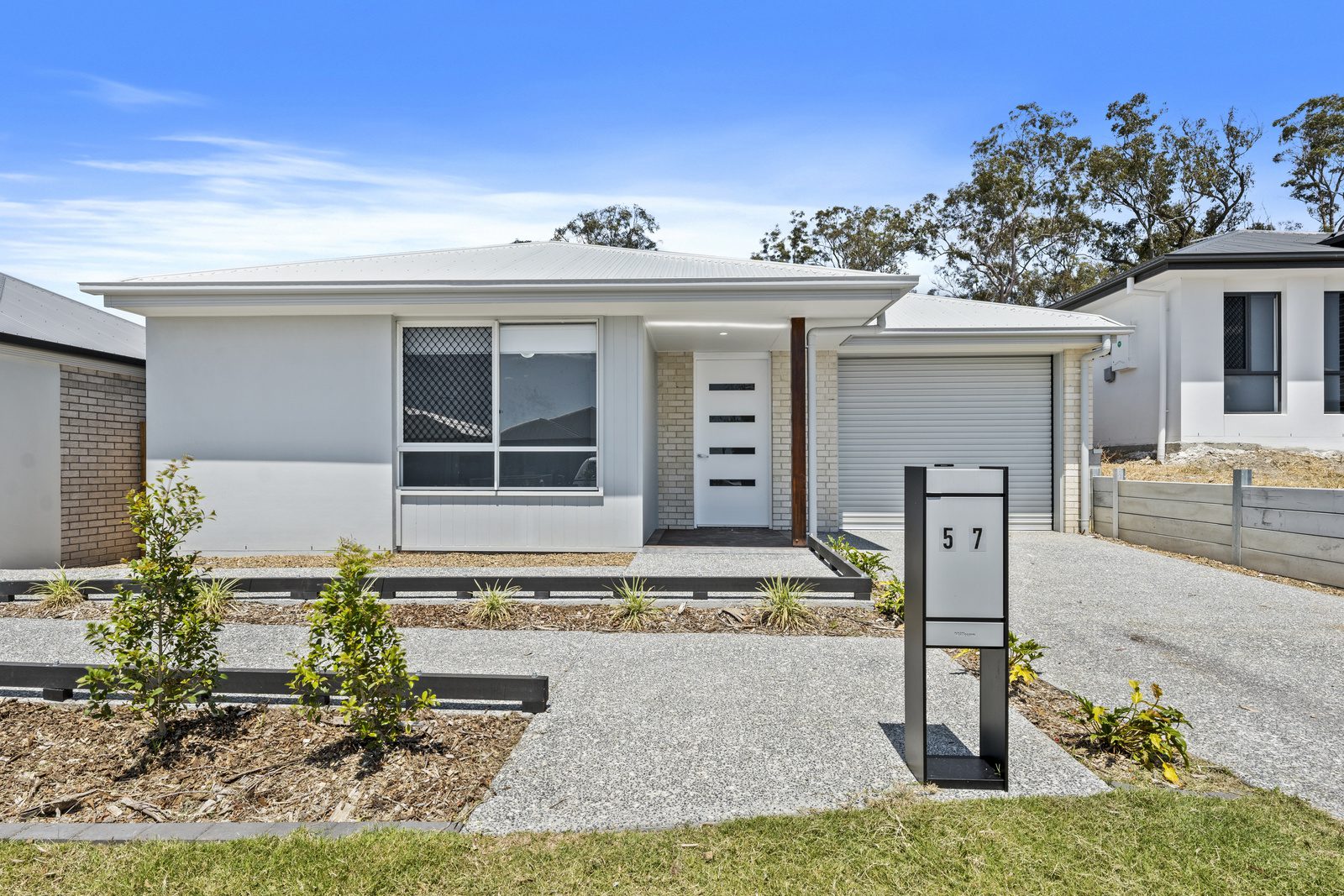
When a landlord can terminate your lease
A landlord can’t simply ask you to leave without a valid legal reason. As mentioned above, tenancy terminations must follow the Residential Tenancies Act 2010 (NSW), and proper notice must be given by either side.
Sometimes, a lease ends for reasons that have nothing to do with the tenant. For instance, the owner may be selling the property, redeveloping it, or facing financial issues.
If your tenancy is ending for reasons outside your control, we’ll work with you to try to secure alternative social housing before your notice period runs out.
That said, as the property has to be returned to the owner within a set timeframe, we might only have time to make one suitable housing offer. If this offer is declined, you may need to arrange your own accommodation.
Importantly, once you receive a valid termination notice from the landlord, you’re allowed to move out any time before the stated termination date.
Generally speaking, you’ll only be responsible for paying rent up until the day you leave, unless the notice relates to the end of a fixed-term lease and you move out before that fixed term finishes.
Let’s take a look at some of the common reasons why a landlord might end a tenancy:
Mortgagee repossession
A tenancy can end because the landlord has defaulted on their mortgage, and the lender takes possession of the property. This is called mortgagee repossession.
If this happens, the lender becomes legally entitled to the property. The Sheriff will issue a formal notice to vacate, which must give you at least 30 days to leave.
Proposed sale
If the landlord has signed a contract to sell the property, they can issue a termination notice. However, strict rules apply in NSW to protect tenants.
For example, you must be given at least 30 days’ termination notice. If you weren’t told that the property was for sale before you signed your lease, you may have additional rights, like the option to end the tenancy agreement early with shorter notice.
Tenant responsibilities at the end of a lease
Ending your tenancy comes with a range of legal and financial responsibilities that need to be met before your lease is finalised. Understanding these obligations can help you protect your rental history and avoid unexpected costs.
End-of-lease cleaning and repairs
In NSW, tenants must return the property in the same condition as when they moved in, allowing for fair wear and tear.
Fair wear and tear refers to normal ageing and everyday use, like minor carpet scuffs or faded paint. It doesn’t include damage, neglect or unauthorised changes.
Before you move out, Home in Place may arrange a pre-vacate inspection to flag:
- Damage beyond fair wear and tear
- Unapproved alterations to rectify
- Cleaning that needs to be completed
This early inspection can save you money, as it allows you to fix issues yourself rather than being charged for contractor repairs later.
After you hand back the keys, a final inspection takes place. If something has been missed, you may be given a chance to return and sort it out. If not, contractors may be arranged and the reasonable cost passed on to you, in line with NSW tenancy laws.
Belongings left behind
Make sure you take everything with you when you leave. This includes furniture, homewares, and anything stored in sheds, cupboards or outdoor areas.
If items are left behind at the rented premises, they’ll be handled in line with the Uncollected Goods Act 1995:
- Rubbish and perishable items can be thrown away straight away
- Valuable items and important documents must be managed properly
- You may be given written notice and time to collect certain goods
- Items not collected within the required timeframe can be legally disposed of or sold
Ultimately, this can mean extra storage, removal or disposal costs for you. Taking the time to clear the property properly can help you avoid these additional expenses.
Rent arrears and charges
You need to pay rent up to the day you return your keys. Even if you move out earlier, your tenancy doesn’t technically end until vacant possession is provided to the landlord.
If you leave owing rent or other outstanding charges, Home in Place will contact you to discuss repayment options. In many cases, a payment plan can be arranged.
If the matter can’t be resolved, we may apply to the Tribunal to recover the debt.
Note that finalising your account efficiently helps to keep your rental track record in good standing, which in turn makes future housing applications smoother.
FAQs
Top-
In NSW, there are two main types of residential tenancy agreements: fixed-term agreements and periodic agreements.
A fixed-term agreement runs for a set period of time, such as six or 12 months. The start and termination dates are written into the contract. During this period, both the tenant and landlord are generally expected to stay until the end date unless proper notice is given.
On the other hand, a periodic tenancy doesn’t have a fixed end date. It continues on a rolling basis, usually month to month. Most periodic agreements begin automatically after a fixed-term lease expires, provided neither the tenant nor the landlord gives notice to end it.
The type of lease you have affects how much notice you must give to end the tenancy. For example, ending a periodic lease in NSW usually requires 21 days’ notice, while ending at the conclusion of a fixed-term agreement generally requires 14 days’ notice before the end date.
If you’re unsure which type of tenancy agreement you have, check your original lease document or speak with our team before giving a termination notice.
-
In special circumstances, Home in Place may agree to a shorter notice period. This is assessed on a case-by-case basis and must be formally approved by the relevant Executive Manager.
Please contact us as early as possible if you’d like to discuss your termination notice period and avoid any unnecessary rent charges.
-
You may be able to end a fixed-term tenancy agreement early by mutual written consent for specific legal reasons, such as undue hardship, domestic violence, or breach of contract. However, the exact rules depend on your specific tenancy agreement.
If you move out before the original termination date without agreement or lawful grounds, you may have to pay compensation.
-
You can deliver a termination notice in person, by post or via email, so long as the lease specifies an email address for official notices.
If sending by post, allow at least seven working days for delivery to ensure the required notice period is met.
-
If your circumstances change, you can withdraw a termination notice, but only if the landlord and any co-tenants agree in writing.
-
When a tenancy ends, Home in Place has clear responsibilities under NSW tenancy law to ensure the process is fair, transparent and properly managed.
At the end of your lease, you can rest assured that we will:
- Carry out a final inspection of the rental property to assess its condition and identify any damage beyond fair wear and tear.
- Give you a reasonable opportunity, where possible, to return and complete cleaning, minor repairs or garden maintenance before any charges are applied.
- Arrange necessary repairs or maintenance that are not the tenant’s responsibility and prepare the rental property for re-letting.
- Manage any goods left behind in accordance with NSW uncollected goods laws.
- Finalise your tenancy account, including calculating any rent owing, processing bond refunds, applying credits or identifying outstanding charges.
- Discuss repayment options if there are rent arrears or repair costs before taking further action.
- Apply to the Tribunal if required to recover unpaid rent in line with the Residential Tenancies Act 2010 (NSW).
- Record your forwarding address, if provided, to ensure any future correspondence reaches you.
If you have any questions about your bond, final inspection report or charges, it’s best to raise them with our team as soon as possible.
Explore more social and affordable housing options
Ending a tenancy can feel like a big step, whether it is your decision or something outside your control. The key to a smooth termination of a lease in NSW is understanding your notice period, meeting your responsibilities, and communicating early.
If you need further guidance on ending your tenancy or finding a new home, contact Home in Place for personalised support. We provide community housing, affordable housing and emergency temporary accommodation across New South Wales, Victoria, and Queensland.


